 BeatOpen
What is sampling in music production?
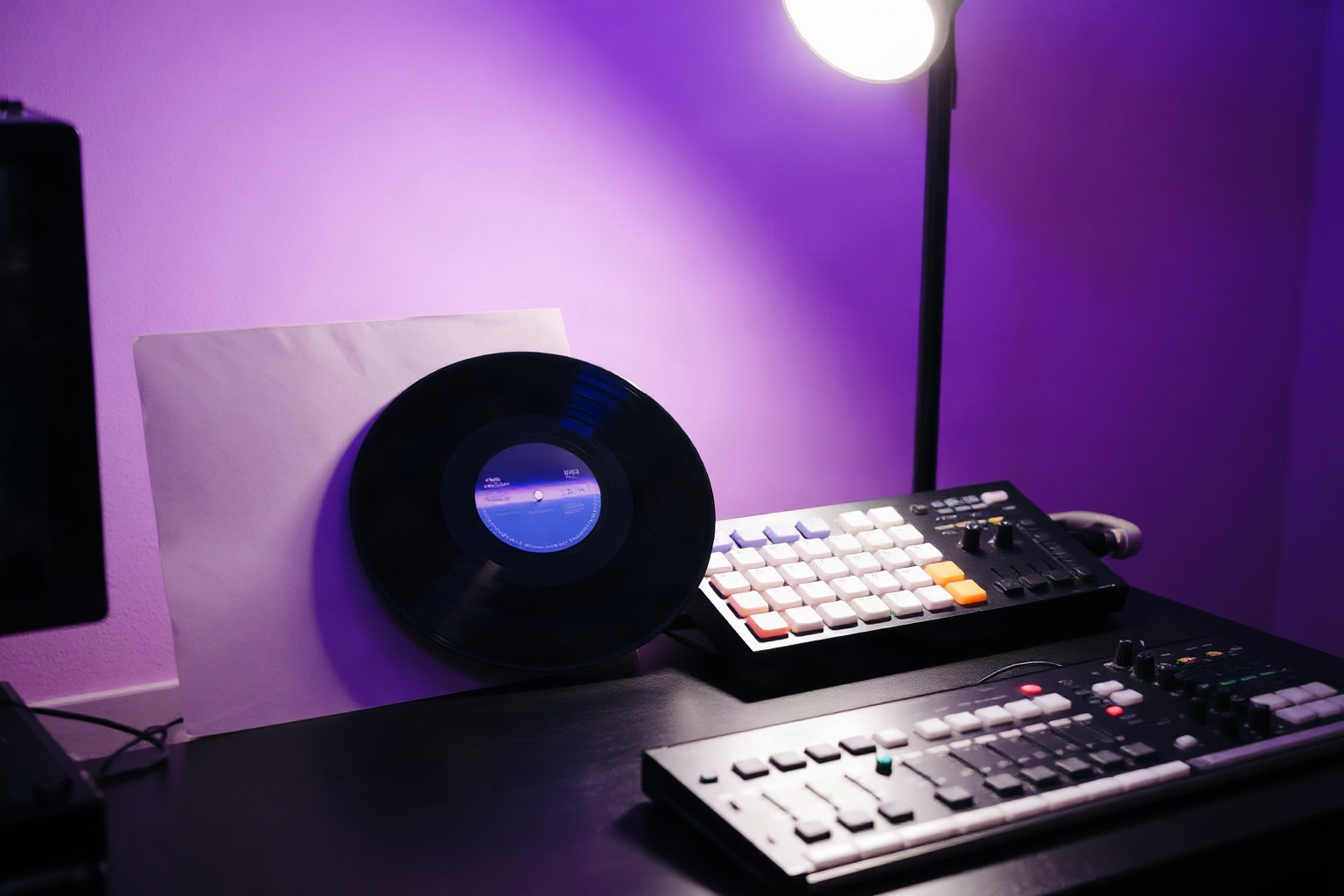
Using recorded sound as material
Sampling means taking a section of an existing recording and using it inside a new piece of music. It might be a drum hit, a vocal phrase, or a few seconds of an instrumental. Samplers let that material be pitched, sliced and rearranged.
Where samples come from
Samples can come from royalty-free sample packs made for this purpose, from sounds a producer records themselves, or from existing commercial recordings. The source matters a great deal for what can be done legally with the result.
Clearance is a real consideration
Using part of a copyrighted recording in released music generally requires permission, often called clearance, from the rights holders. Sample packs sold or licensed for production usually grant that permission in their terms. When in doubt, check the licence, and seek qualified advice for commercial releases.
Common questions
Can you freely use any sample you find online?
This article is general educational information. Music software, hardware and services change over time, so confirm current details with the maker or provider. Anything involving sample rights, licensing or contracts should be checked against the relevant terms and, where needed, with a qualified professional.
← All production guides