 BeatOpen
What makes a drum pattern groove?
The core of most patterns
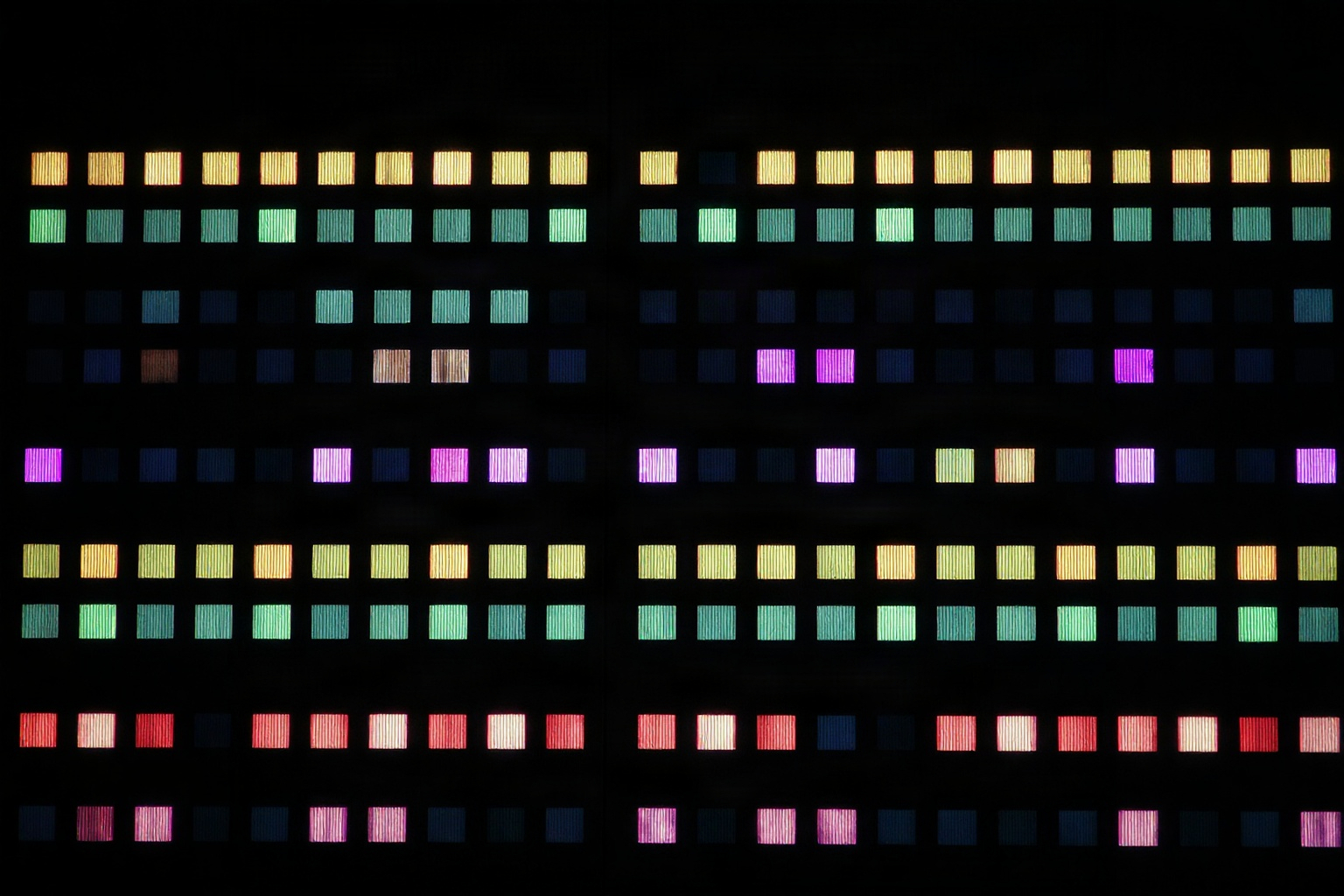
A large share of popular music uses a four beat bar where the kick marks the strong beats and the snare or clap answers on the second and fourth beats. This call and response between low and mid frequencies is what listeners feel as the backbeat.
Hi-hats carry the feel
Hi-hats or shakers usually subdivide the beat into smaller steps, and their spacing sets the energy. Even eighth notes feel steady, while added sixteenth notes and small volume changes add drive. Many styles rely more on the hi-hat pattern than on the kick and snare for their identity.
Swing and small timing shifts
Moving some hits slightly off the exact grid, often called swing or groove, can make a pattern feel human rather than mechanical. This is a taste decision, and a small amount usually goes a long way.
This article is general educational information. Music software, hardware and services change over time, so confirm current details with the maker or provider. Anything involving sample rights, licensing or contracts should be checked against the relevant terms and, where needed, with a qualified professional.
← All production guides