 BeatOpen
What is a DAW and what does it do?
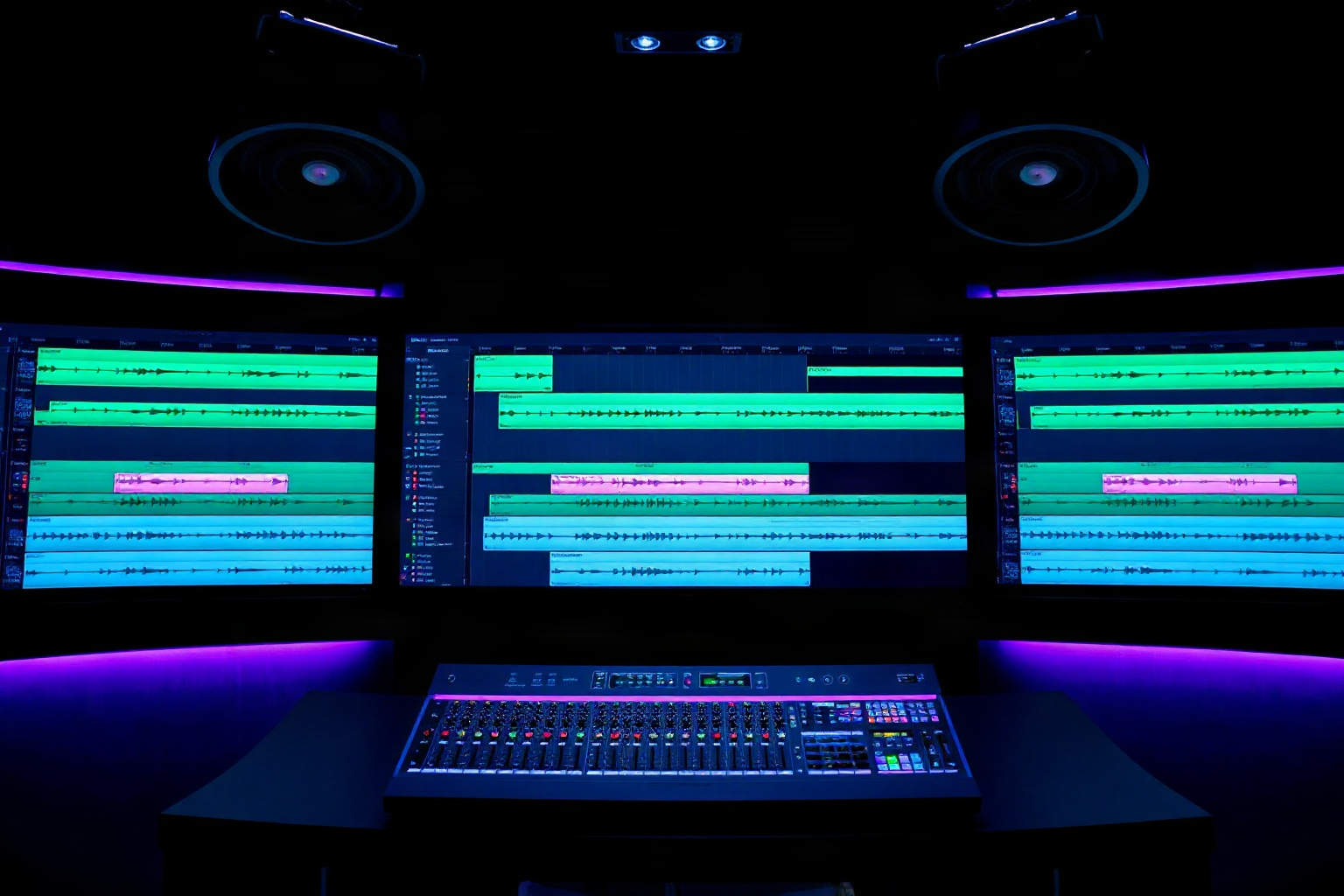
The recording and arranging hub
A digital audio workstation, usually shortened to DAW, is software for recording, editing, arranging and mixing audio and MIDI. It is where most producers assemble a track, from the first drum pattern to the final mix.
Audio tracks and MIDI tracks
Audio tracks hold recorded or imported sound such as vocals or a sample. MIDI tracks hold note data that plays a virtual instrument, which means the sound can be changed later without re-recording. Most projects mix both kinds of track.
Plugins extend a DAW
Instruments and effects called plugins add synths, samplers, equalisers and more. A DAW ships with a set of these, and others can be added. Learning one DAW well is generally more useful than switching between several.
Common questions
Is one DAW clearly better than the others?
This article is general educational information. Music software, hardware and services change over time, so confirm current details with the maker or provider. Anything involving sample rights, licensing or contracts should be checked against the relevant terms and, where needed, with a qualified professional.
← All production guides