 BeatOpen
How is a beat made, step by step?
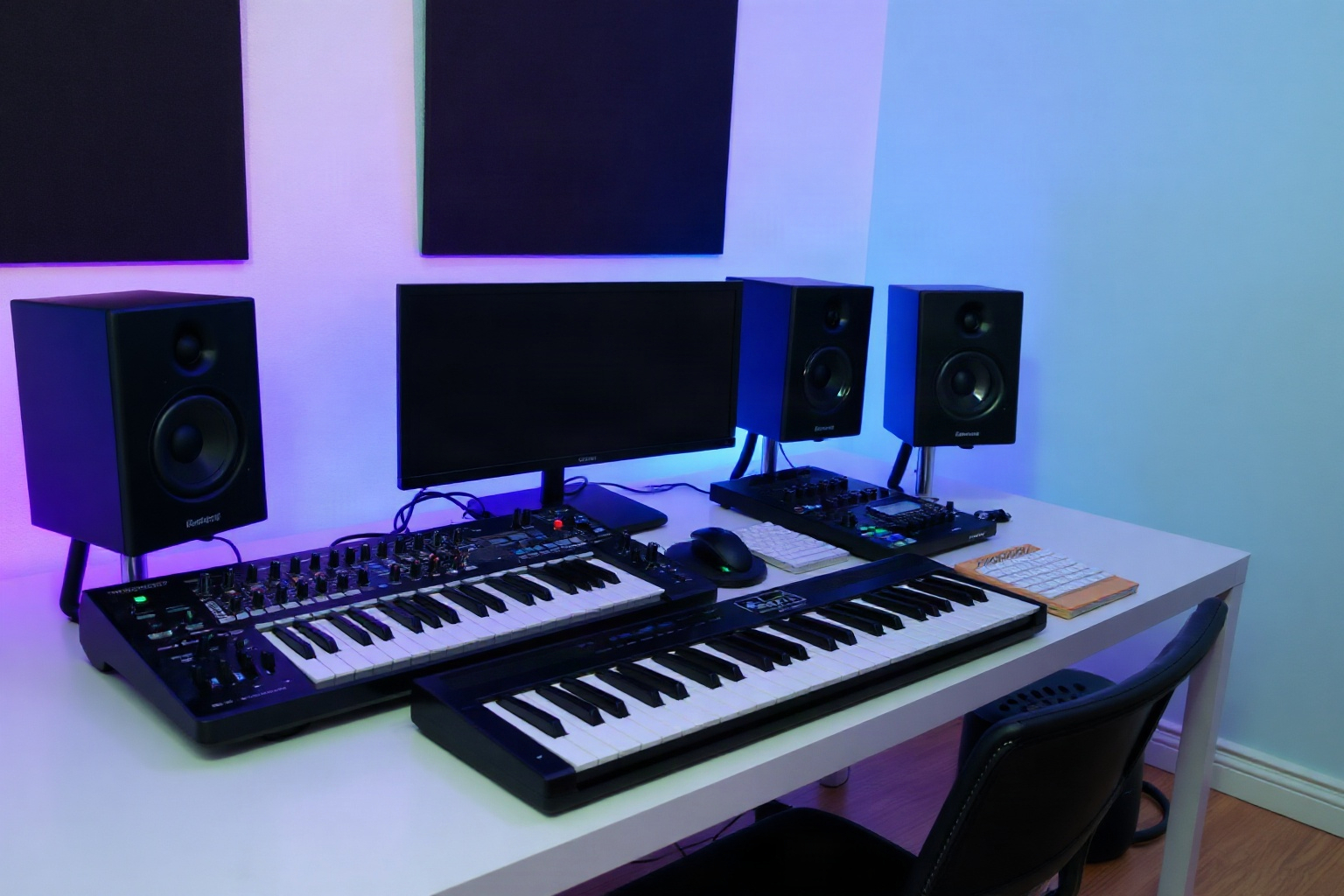
Start with tempo and a drum pattern
Most beats begin by setting a tempo, often measured in beats per minute, and placing a basic drum pattern. A kick on the main beats and a snare or clap on the backbeat give a loop its pulse, and a hi-hat pattern adds movement on top.
Working in a short loop of a few bars first keeps the idea manageable. Once the groove feels right in the loop, it can be extended into a full arrangement later.
Add the low end and the harmony
A bass line usually follows the kick so the two sit together rather than fighting for the same space. A chord progression, a simple melody, or a sampled phrase then gives the beat its mood. Many producers keep the harmony sparse at this stage and build detail afterwards.
Arrange, then refine
An arrangement spreads the loop across sections such as an intro, a main part and a break, adding or removing elements to create contrast. Refinement, which covers level balance, small timing adjustments and effects, comes last so the energy of the track guides those choices rather than the other way around.
Common questions
How long is a typical beat loop when starting out?
Do you need expensive gear to make a beat?
This article is general educational information. Music software, hardware and services change over time, so confirm current details with the maker or provider. Anything involving sample rights, licensing or contracts should be checked against the relevant terms and, where needed, with a qualified professional.
← All production guides